
Measuring Campaign Impact with Post Analytics
You just wrapped up a major social media campaign. The creative was sharp, the influencers were on board, and engagement looked promising. Now comes the question every marketer dreads: "What was the ROI?"
Too often, the answer involves cobbling together screenshots, exporting CSVs from five different platforms, and presenting vanity metrics that don't actually tell you whether the campaign worked. Campaign analytics shouldn't feel like archeology.
Introduction
Measuring campaign impact has become simultaneously more important and more difficult. More important because marketing budgets face increasing scrutiny. More difficult because conversations about your brand happen across platforms, in replies and quote tweets, in Instagram comments and Stories responses—places that native analytics barely touch.
The gap between "we got 10,000 impressions" and "we drove measurable business outcomes" is where most campaign measurement falls apart. Impressions don't pay the bills. Understanding who engaged, how they engaged, and what they said does.
This guide walks through a framework for campaign analytics that goes beyond surface metrics to deliver insights you can actually act on—and defend in a budget meeting.
The Problem with Native Analytics
Every platform offers its own analytics dashboard. Twitter shows you impressions and engagement rate. Instagram tells you reach and profile visits. These metrics aren't useless, but they share a common limitation: they're designed to keep you on the platform, not to help you understand your campaigns.
What Native Tools Miss
Cross-platform attribution: If your campaign runs on both Twitter and Instagram, you're stuck manually correlating data between two systems that don't talk to each other.
Engagement depth: Knowing you got 500 comments is less valuable than knowing what those comments actually said, who wrote them, and whether they represent your target audience.
Amplification patterns: A retweet from someone with 50 followers is not the same as a retweet from someone with 50,000. Native analytics treat them equally.
Conversation sentiment: Your post might have high engagement because people love it—or because they're roasting it. The numbers alone won't tell you which.
Audience quality: 10,000 impressions among bot accounts and irrelevant audiences isn't worth 1,000 impressions among your actual target market.
Building a Campaign Measurement Framework
Effective campaign analytics requires measuring three distinct layers: reach, engagement quality, and business impact.
Layer 1: Reach Metrics That Matter
Reach tells you how many people potentially saw your content. But raw impression counts obscure more than they reveal.
Volume over time: Track mention volume throughout your campaign window. A spike during launch that flatlines after day two tells a different story than steady growth. Using phrase counting with specific date ranges lets you see exactly how conversation volume evolved.
Geographic and linguistic distribution: Where are your mentions coming from? If you're running a US campaign and most engagement originates elsewhere, that's critical context.
Platform-specific patterns: Twitter conversations move fast and die fast. Instagram posts have longer tails. Understanding these rhythms helps you set realistic expectations and identify anomalies.
Layer 2: Engagement Quality
This is where most campaign measurement stops too early. The number of likes matters less than who's liking.
Commenter and engager profiles: When someone comments on your campaign post, who are they? What's their follower count? What do they typically post about? Are they verified? This context transforms a raw comment count into audience intelligence.
Engagement authenticity: Bot activity can inflate metrics artificially. Identifying inauthentic engagement helps you report accurate numbers and understand your true reach.
Conversation analysis: Reading the actual comments, quote tweets, and replies reveals sentiment that no automated score fully captures. Are people asking questions? Sharing with their networks? Complaining? These qualitative signals matter.
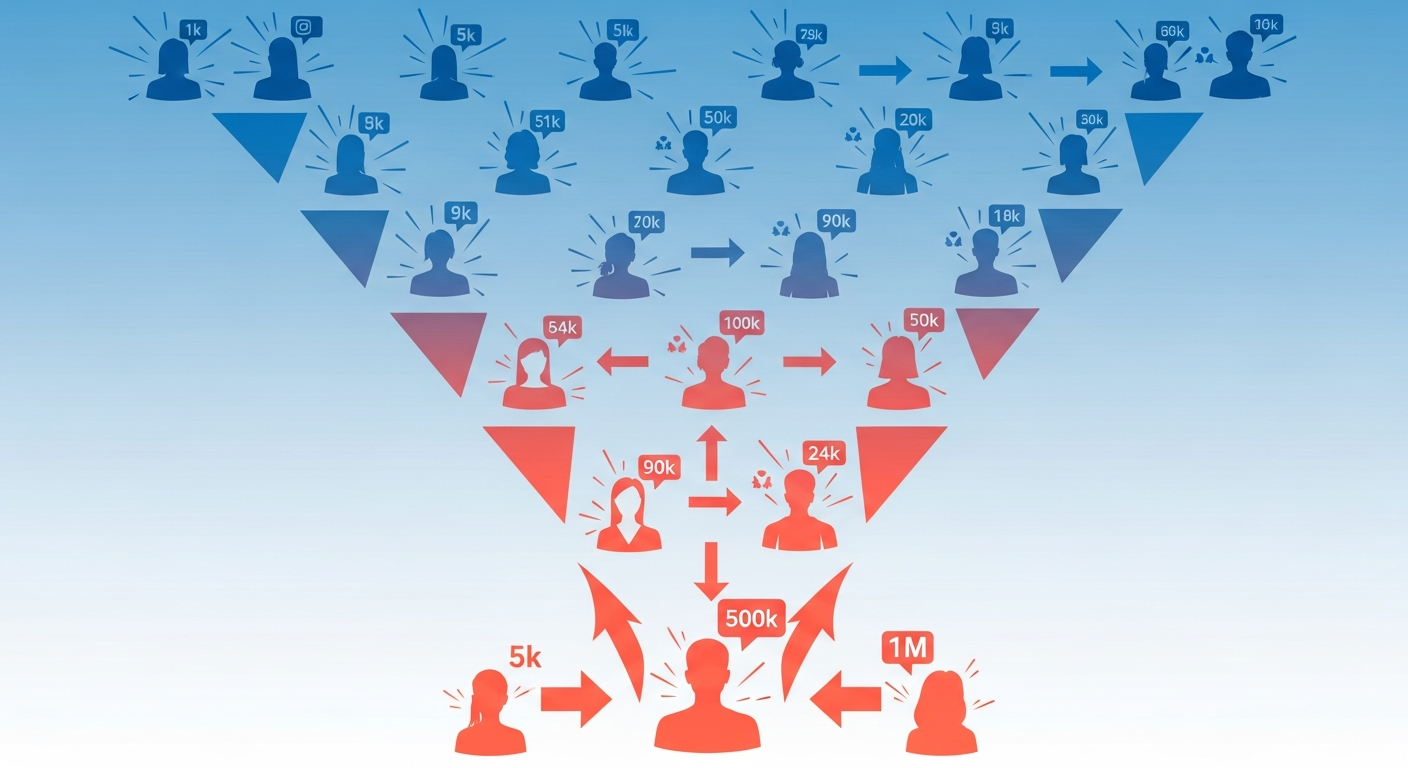
Amplification mapping: Track who retweeted or shared your content and analyze their reach. One share from a relevant influencer might drive more value than hundreds of shares from low-follower accounts.
Layer 3: Business Impact Indicators
The hardest layer to measure, but the most important for proving ROI.
Audience overlap with targets: Compare the profiles of people who engaged with your campaign against your ideal customer profile. High engagement from the wrong audience isn't success.
Influencer effectiveness: If you partnered with creators, measure their individual contribution. Which influencer's audience actually engaged? Whose followers match your target demographics?
Share of voice changes: Did your campaign increase mentions relative to competitors? Track keyword volumes for your brand versus competitors before, during, and after the campaign.
Conversion correlation: While social platforms don't directly track conversions, you can correlate engagement spikes with web traffic, signups, or sales data from other systems.
Timing Your Measurement
Campaign analytics isn't a one-time activity. Different insights emerge at different stages.
During the Campaign
Monitor in real-time for course correction opportunities. If engagement is concentrated on one post while others underperform, you can adjust. If negative sentiment emerges, you can respond before it escalates.
Track daily mention volumes and engagement patterns. Look for organic amplification—are people sharing without being asked? Are industry voices picking up the campaign?
Immediately After
The first 48 hours after a campaign ends are critical for capturing complete data. Compile total reach and engagement metrics while they're fresh. Export raw data for deeper analysis before platform retention policies kick in.
Two to Four Weeks Later
Some campaign effects take time to materialize. Brand lift, follower growth, and sustained conversation often show up in lagging indicators. Compare your baseline metrics from before the campaign against current performance.
How Xpoz Addresses This
Social media intelligence tools like Xpoz solve many of the measurement gaps that plague campaign analytics.
Unified cross-platform data: Rather than switching between Twitter Analytics and Instagram Insights, you can analyze both platforms through a single interface. Search posts by keywords across platforms, track mention volumes, and compare engagement patterns without manual data consolidation.
Deep engagement analysis: When you need to understand who engaged with your campaign content, tools like post interaction analysis reveal the actual profiles of commenters, retweeters, and quote tweeters. You can see their follower counts, verification status, and account history—not just that they engaged, but who they are.
Audience intelligence: For any post, you can pull the complete list of users who interacted and analyze their aggregate characteristics. This transforms "500 comments" into "500 comments from accounts averaging 2,500 followers, 15% verified, primarily located in the US."
Volume tracking with precision: Counting tweets or posts containing specific phrases within exact date ranges lets you measure share of voice changes with accuracy. You can track your campaign hashtag, branded terms, and competitor mentions over identical time periods.
Exportable datasets: When you need to run custom analysis or feed data into other systems, CSV exports of complete datasets enable statistical analysis, visualization, and integration with business intelligence tools.
Authenticity scoring: For Twitter accounts specifically, authenticity analysis helps identify whether engagement came from real users or bot networks—essential for accurate reporting.
Practical Examples
Example 1: Influencer Partnership Evaluation
You partnered with five Instagram influencers for a product launch. Native metrics show their posts got varying engagement, but you need to know which partnership actually reached your target audience.
For each influencer's campaign post, analyze the users who commented. Export commenter profiles including follower counts, engagement history, and account characteristics. Compare these profiles against your ideal customer demographics.
You might discover that the influencer with the highest raw engagement had commenters who don't match your target at all—perhaps they're primarily international when you sell domestically, or they're teenagers when you target professionals. Meanwhile, the influencer with modest engagement numbers drove comments from exactly your target demographic.
Example 2: Hashtag Campaign Measurement
You launched a branded hashtag campaign encouraging customers to share their experiences. Success metrics need to go beyond post count.
Track total posts containing your hashtag throughout the campaign window and compare against baseline (mentions before the campaign). Analyze the profiles of users who posted—are they existing customers, prospects, or random accounts?
Pull the highest-engagement posts using your hashtag and analyze who amplified them. If posts from customers got shared by accounts with significant reach, that organic amplification is campaign success even if the original poster had few followers.
Example 3: Crisis Response Effectiveness
Your brand faced negative coverage, and you responded with a transparency campaign. You need to prove the response worked.
Compare mention volumes and sentiment before, during, and after your response campaign. Track quote tweets of your response—are people sharing it approvingly or critically? Analyze the comments on your response posts to understand sentiment themes.
If negative mentions declined while your response posts generated supportive engagement from relevant audiences, you can demonstrate the campaign's effectiveness with specific data.
Example 4: Competitive Campaign Analysis
Your competitor launched a major campaign. You want to understand its impact and whether it affected your brand.
Track mention volumes for the competitor's campaign terms and compare against your own brand mentions during the same period. Analyze who engaged with their campaign—particularly whether any of your known followers or customers participated.
Monitor whether the competitor gained followers or engagement from accounts that previously engaged with your brand. This competitive intelligence helps you understand market dynamics and inform your response strategy.
Common Measurement Mistakes to Avoid
Measuring too soon: Campaign impact often develops over days or weeks. Declaring success or failure based on first-day metrics misses the full picture.
Ignoring negative engagement: High engagement isn't inherently good. If your campaign went viral because people are mocking it, that's important context that raw numbers obscure.
Comparing incomparable campaigns: A product launch campaign has different success metrics than a brand awareness campaign. Define success criteria before launch, not after.
Overlooking organic reach: Paid impressions are easy to track. Organic amplification—people sharing your content without payment—is often more valuable but harder to measure. Make sure your analytics capture both.
Reporting averages without context: "Average engagement rate of 3%" sounds good until you realize one post drove 90% of that engagement while the rest flopped. Distribution matters as much as averages.
Key Takeaways
-
Native analytics provide a starting point, not a complete picture. Cross-platform analysis and engagement depth require additional tools.
-
Who engaged matters more than how many engaged. Profile analysis of commenters, retweeters, and amplifiers reveals whether you reached the right audience.
-
Campaign analytics is a timeline, not a moment. Measure before, during, immediately after, and weeks later to capture the full impact.
-
Export and preserve your data. Platform retention policies and changing metrics can make historical analysis impossible if you don't capture data when it's available.
-
Connect social metrics to business outcomes. Correlate engagement patterns with conversion data, even imperfectly, to demonstrate ROI beyond vanity metrics.
Conclusion
Campaign analytics shouldn't end with a screenshot of impressions. The tools exist to go deeper—to understand not just how many people saw your content, but who they were, what they said, and whether they represent your target market.
The marketers who can answer "what was the ROI?" with specific data about audience quality, engagement depth, and business correlation are the ones who keep getting budget approved. Those who show up with impressions and hopes are the ones explaining why the spend didn't work.
Start your next campaign with measurement built into the plan. Define what success looks like in terms you can actually track. Then use the right tools to capture the data that proves it.