
Mapping a Competitor's Entire Influencer Network
When a mid-sized skincare brand discovered that their main competitor had quietly built relationships with over 200 micro-influencers in the wellness space, they realized they'd been playing catch-up for months. The competitor's products were appearing in authentic-looking posts across Instagram and Twitter, generating steady engagement while the brand's paid campaigns struggled to gain traction.
This scenario plays out constantly in competitive markets. Brands invest heavily in influencer marketing, but few take the time to systematically map what their competitors are doing. The result? Missed opportunities, wasted budgets on saturated influencers, and a reactive rather than proactive strategy.
Introduction
Influencer marketing spend continues to climb, yet most competitive intelligence efforts stop at surface-level observations. Teams might notice when a competitor partners with a major celebrity, but the real strategic advantage lies in understanding the full network—the micro-influencers, the brand advocates, the organic supporters who consistently amplify competitor messaging.
Mapping a competitor's influencer network isn't about copying their strategy. It's about understanding their reach, identifying gaps they've missed, finding shared audiences you can target, and spotting rising voices before they become expensive to work with.
This case study walks through a systematic approach to competitive intelligence and influencer mapping, demonstrating how social media intelligence tools can reveal the hidden structure of a competitor's influence ecosystem.
The Challenge: Seeing the Full Picture
Traditional competitive monitoring focuses on what's visible—official partnerships announced in press releases, sponsored posts with disclosure hashtags, celebrity endorsements. But this misses the majority of a competitor's influence network:
Organic advocates who genuinely love the product and post about it without compensation. These are often the most valuable voices because their enthusiasm is authentic.
Micro-influencers with smaller followings but highly engaged audiences in specific niches. Competitors often build relationships with dozens of these creators, flying under the radar of casual monitoring.
Employee advocates whose personal accounts amplify company messaging to their own networks.
Strategic follows and engagements that signal relationship-building even before formal partnerships.
Content amplifiers who consistently retweet, share, and comment on competitor content, extending its reach.
A complete influencer map captures all of these layers, revealing not just who speaks for a competitor, but how influence actually flows through their ecosystem.
Building the Intelligence Framework
Effective influencer mapping requires a structured approach that moves from broad monitoring to deep network analysis. The process typically unfolds in three phases.
Phase 1: Identify the Core Network
Start with what's publicly visible. Search for posts mentioning the competitor's brand, products, or campaign hashtags. Look for patterns: who posts most frequently? Whose content generates the most engagement? Who does the competitor themselves engage with?
On Twitter, this means analyzing replies, quote tweets, and retweets on the competitor's official posts. The users who consistently appear in these interactions form the inner circle of the influence network.
On Instagram, comments on competitor posts reveal engaged community members. Users who are tagged in competitor content or who appear in collaborative posts signal active partnerships.
This initial pass typically identifies 20-50 accounts worth deeper investigation.
Phase 2: Map the Extended Network
The real insights come from analyzing connections between the core network members themselves. Influencers often know each other. They follow the same accounts, engage with each other's content, and move in overlapping social circles.
By examining the followers and following lists of core network members, patterns emerge. You might discover that 15 of the competitor's most active supporters all follow the same three accounts—likely managers, agencies, or industry figures who connected them with the brand.
Cross-referencing followers also reveals audience overlap. If multiple competitor influencers share the same audience segments, that tells you where the competitor is concentrating their reach. It also identifies audiences you might target through different voices.
Phase 3: Assess Influence Quality
Not all influencers deliver equal value. The mapping process should capture metrics that indicate actual influence rather than vanity metrics:
Engagement rates relative to follower counts. A creator with 10,000 followers and 500 likes per post holds more influence than one with 100,000 followers and 200 likes.
Audience authenticity. Some accounts have inflated follower counts due to purchased followers or bot activity. Authenticity scoring helps filter these out.
Content consistency. How often do they post about the competitor? A single mention differs significantly from regular, ongoing coverage.
Network position. Are they connected to other influencers? Do their posts get amplified by others in the network? Central network positions indicate higher actual influence.
The Investigation: A Practical Example
Consider a scenario where a fitness apparel brand wants to map the influencer network of a competitor who's been gaining market share. Here's how the investigation might unfold.
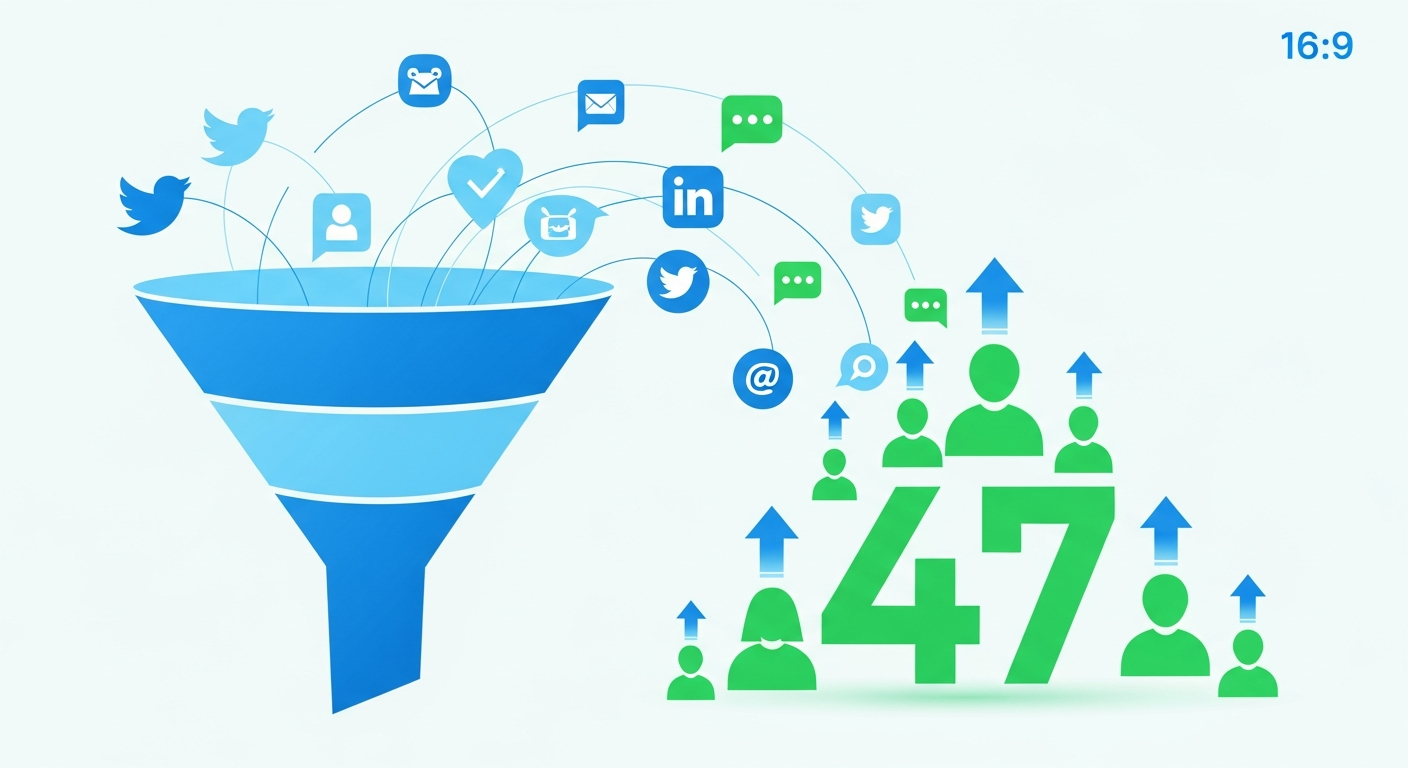
The team starts by identifying users who frequently post about the competitor's products. Using keyword searches across both platforms, they find 47 accounts that have mentioned the competitor's brand name at least three times in the past six months.
For each account, they gather profile data: follower counts, engagement metrics, posting frequency, and—crucially—who they follow and who follows them.
Cross-referencing the following lists reveals a cluster. Thirty-one of the 47 accounts all follow a single individual: a talent manager specializing in fitness influencers. This suggests a coordinated influencer program running through that manager.
Examining the manager's other clients—people they follow who weren't in the original 47—reveals six additional accounts that haven't yet posted about the competitor but likely will soon. These represent either upcoming partnerships or targets the competitor is pursuing.
The network map now shows:
- 47 active brand advocates
- 1 likely talent management partner
- 6 probable future partnerships
- Concentrated reach in the 18-34 female fitness enthusiast demographic
- Heavy presence on Instagram Reels and Twitter fitness communities
How Xpoz Addresses This
Manually executing the investigation described above would require weeks of tedious data collection. Opening dozens of profiles, scrolling through follower lists, cross-referencing in spreadsheets—the process is theoretically possible but practically prohibitive.
Social media intelligence platforms like Xpoz automate the data collection and analysis that makes comprehensive influencer mapping feasible.
For competitive intelligence and influencer mapping specifically, several capabilities prove essential:
Network analysis at scale. Xpoz can retrieve follower and following lists for any public account, then cross-reference those lists to identify overlapping connections. What would take days of manual work happens in minutes.
Keyword-based user discovery. Rather than starting with accounts you already know, you can find everyone who's posted about a competitor's brand, products, or campaign hashtags. The getTwitterUsersByKeywords and getInstagramUsersByKeywords tools return not just posts but the users who authored them, complete with engagement metrics.
Authenticity assessment. Twitter profiles include authenticity scoring that flags potentially inauthentic accounts—important when evaluating whether an influencer's audience represents real potential customers or inflated numbers.
Engagement analysis. For any post, Xpoz can retrieve the users who commented, quoted, or retweeted, revealing who actively amplifies competitor content. This identifies organic advocates who might not appear in traditional influencer searches.
Historical data access. Competitive intelligence often requires understanding patterns over time. Accessing an author's complete post history reveals how relationships with brands have evolved and how consistently they promote certain products.
The platform handles the operational complexity—pagination through large result sets, asynchronous processing of complex queries, export to CSV for offline analysis—so teams can focus on strategic interpretation rather than data wrangling.
Practical Examples
Here are concrete applications of network mapping insights:
Identifying whitespace. A competitor's influencer network is concentrated in yoga and pilates communities. Your mapping reveals they have minimal presence in the climbing and outdoor fitness space—an opportunity for your brand to establish relationships before they expand.
Predicting partnerships. You notice a competitor's official account has started following and engaging with three mid-tier influencers they haven't worked with before. Based on their pattern with previous partnerships, formal announcements typically follow 4-6 weeks later. You can approach these influencers now, before the competitor locks them into exclusivity.
Finding undervalued voices. Network analysis reveals an account with modest followers (12,000) who is followed by seven of the competitor's top influencers. This person appears to be a connector in the community—someone whose endorsement might open doors to the broader network.
Audience overlap analysis. Mapping reveals that 40% of a competitor's influencer audience also follows your brand. This shared audience might respond to comparative messaging or competitive offers.
Detecting strategy shifts. Over six months of mapping, you notice the competitor's influencer partnerships shifting from macro-influencers (100K+ followers) to micro-influencers (10K-50K followers). This signals a strategic pivot you might anticipate or counter.
Key Takeaways
-
Complete networks matter more than visible partnerships. The influencers you see announced publicly represent a fraction of a competitor's actual influence ecosystem.
-
Cross-referencing connections reveals hidden structure. Shared follows between influencers often indicate agency relationships, talent managers, or coordinated programs that aren't publicly acknowledged.
-
Engagement data trumps follower counts. When mapping influence, prioritize accounts whose content generates genuine interaction over those with large but passive audiences.
-
Network position indicates actual influence. Accounts followed by multiple other influencers often hold disproportionate sway, even with modest direct follower counts.
-
Patterns predict future moves. Monitoring which accounts competitors start engaging with can forecast upcoming partnerships before they're announced.
-
Competitive intelligence and influencer mapping require scale. Manual approaches work for spot checks but can't deliver the comprehensive network visibility that drives strategic advantage.
Conclusion
Mapping a competitor's influencer network transforms competitive intelligence from reactive observation to proactive strategy. Instead of noticing partnerships after they're announced, you understand the full ecosystem—who amplifies competitor messaging, how those voices connect to each other, and where opportunities exist that competitors haven't captured.
The process requires moving beyond surface metrics to analyze actual network structure: who follows whom, who engages with what content, and how influence flows through communities relevant to your market.
For teams ready to build this capability, start with a single competitor and a focused question. Perhaps you want to understand their presence in a specific community or identify the talent management relationships behind their influencer program. A targeted investigation builds familiarity with the process before expanding to comprehensive network mapping.
The brands that win in influencer marketing aren't necessarily those with the biggest budgets. They're the ones who understand the landscape well enough to make smarter decisions—finding the rising voices before they become expensive, identifying communities competitors have overlooked, and building relationships that create genuine advocacy rather than transactional posts.